TURN WAITING INTO GAMING: LOOPED
BY POLYAI BREAKS THE HOLD MUSIC HELL
Year
Client
Type
Role
2024
PolyAI
Game
front-end development / creative development / motion & interactions
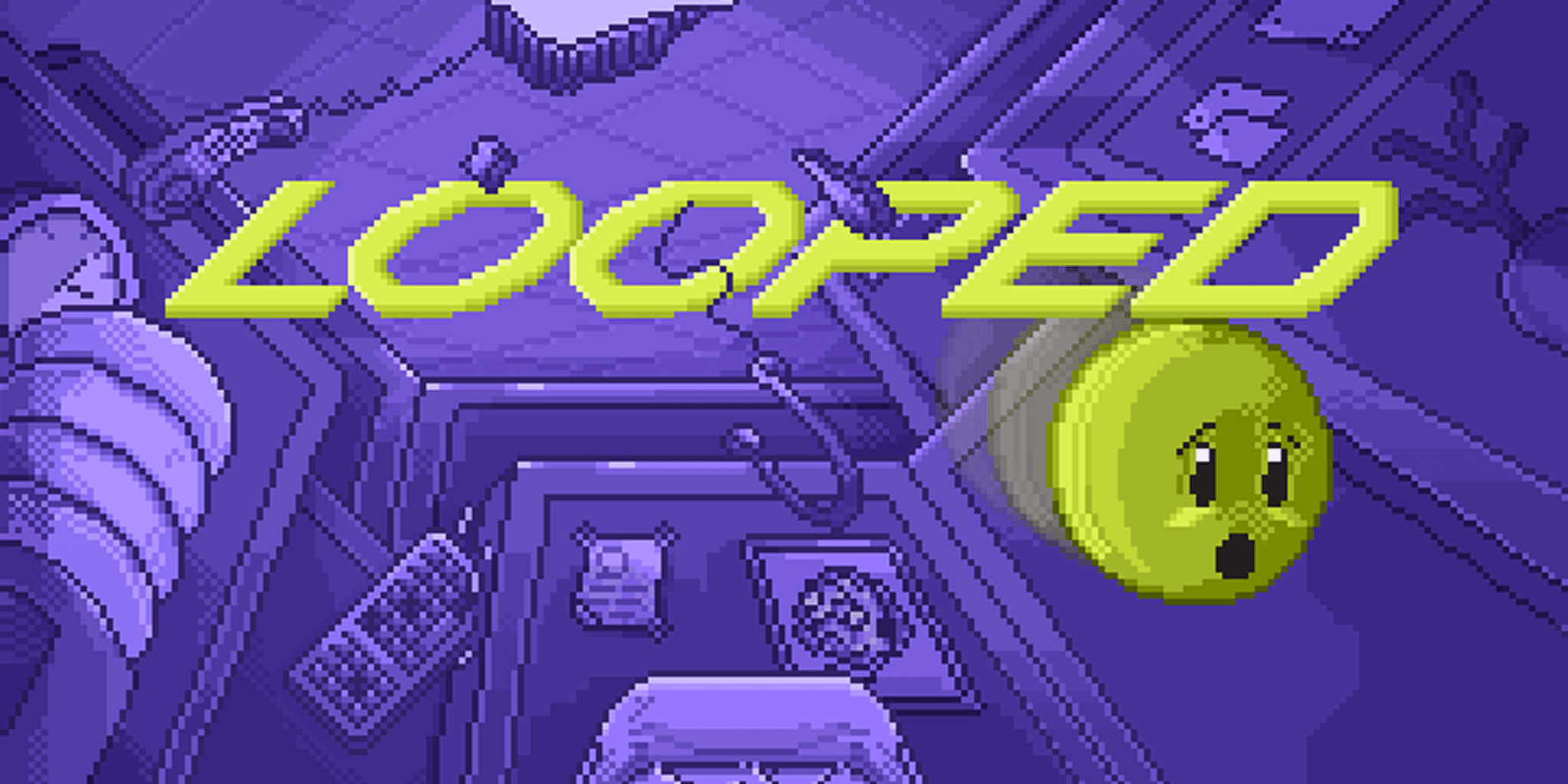
PolyAI came to us with a familiar frustration: customer service wait times that drain the soul. Instead of the usual tedious hold music, they wanted something revolutionary - a gaming experience that turns wasted minutes into actual fun.
The catch? We had to build a browser-based 2D pixel art maze game in collaboration with Studio Freight and Glenn Catteeuw that would be engaging and responsive. Spoiler: things got playful.
Year
Client
Type
Role
2024
PolyAI
Game
front-end development / creative development / motion & interactions
focus gameplay → minigames highlights
gameplay experience
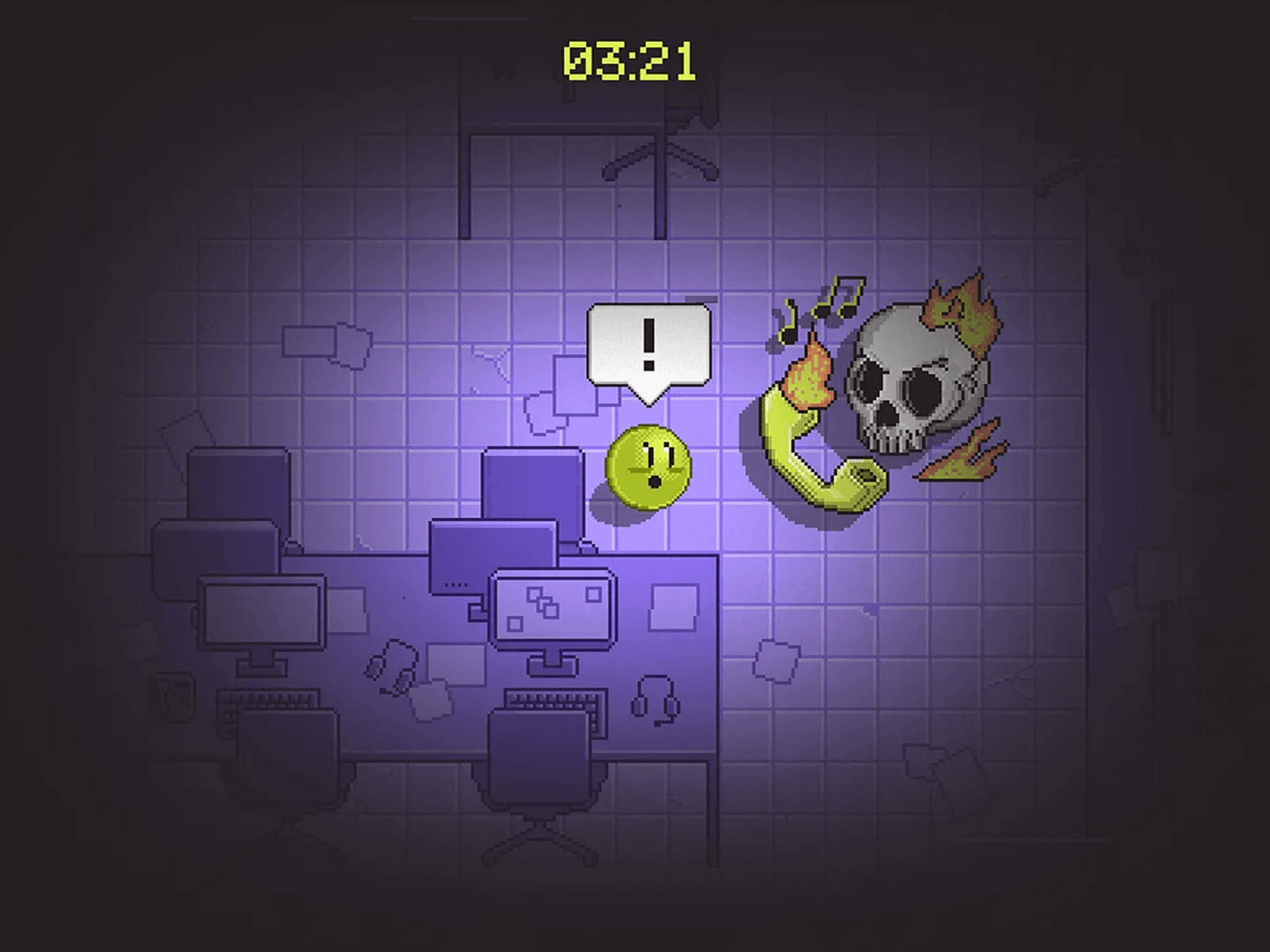

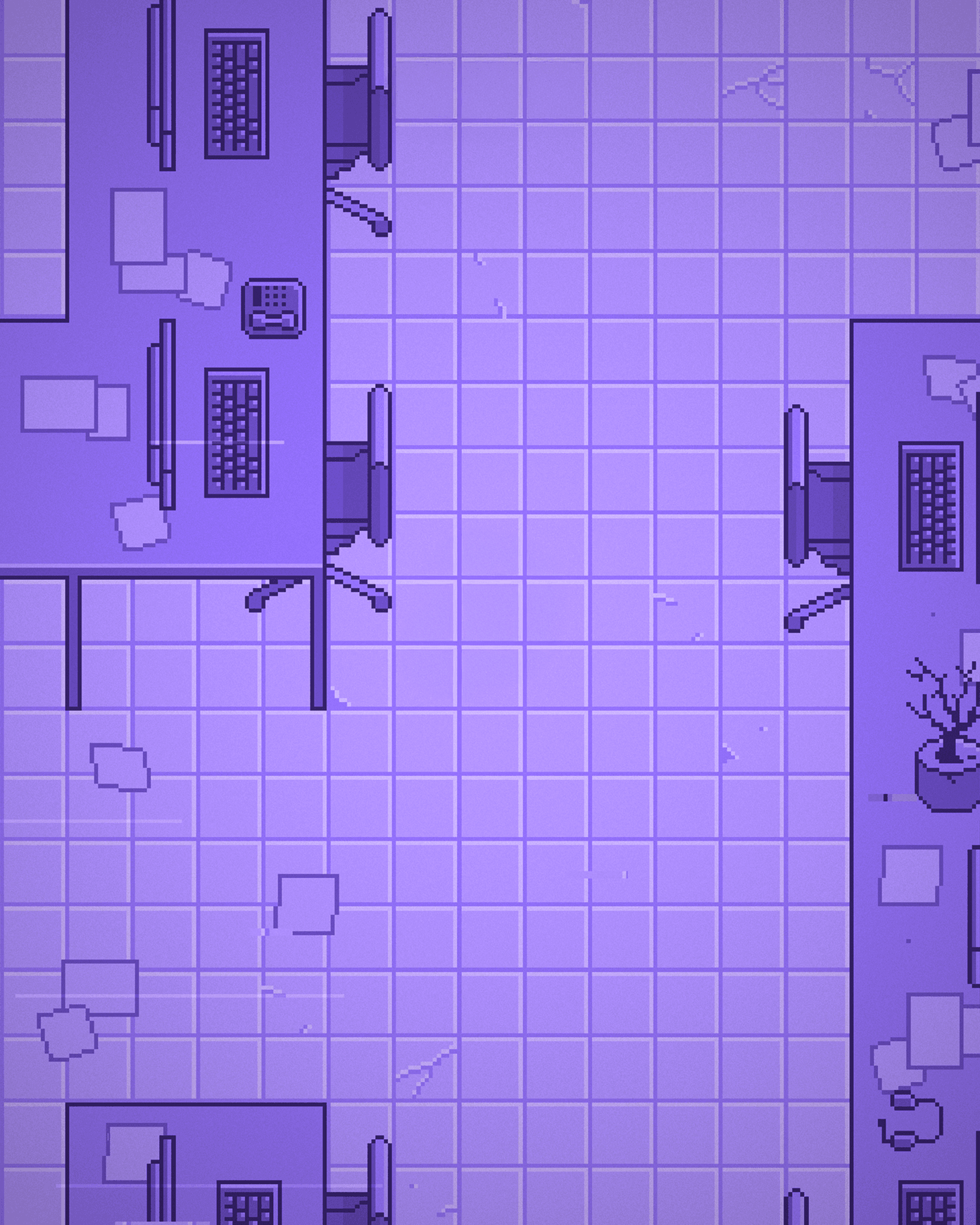
PolyAI wanted to transform the painful "on hold" experience into something genuinely enjoyable. From Glenn Catteeuw's meticulous tile-by-tile design in Figma, we developed a custom game engine built on Three.js that brings his pixel art vision to life.
Each game element was designed to be simple enough to pick up instantly, yet compelling enough to make waiting time fly by. Finding the right balance between difficulty and engagement was crucial - every movement needed to be fluid, responsive, and rewarding.
We paid particular attention to player feedback, making sure the controls felt intuitive and satisfying. The maze experience progressively increases in complexity, keeping players engaged without becoming frustrated.
focus assets generation → sprites
character design
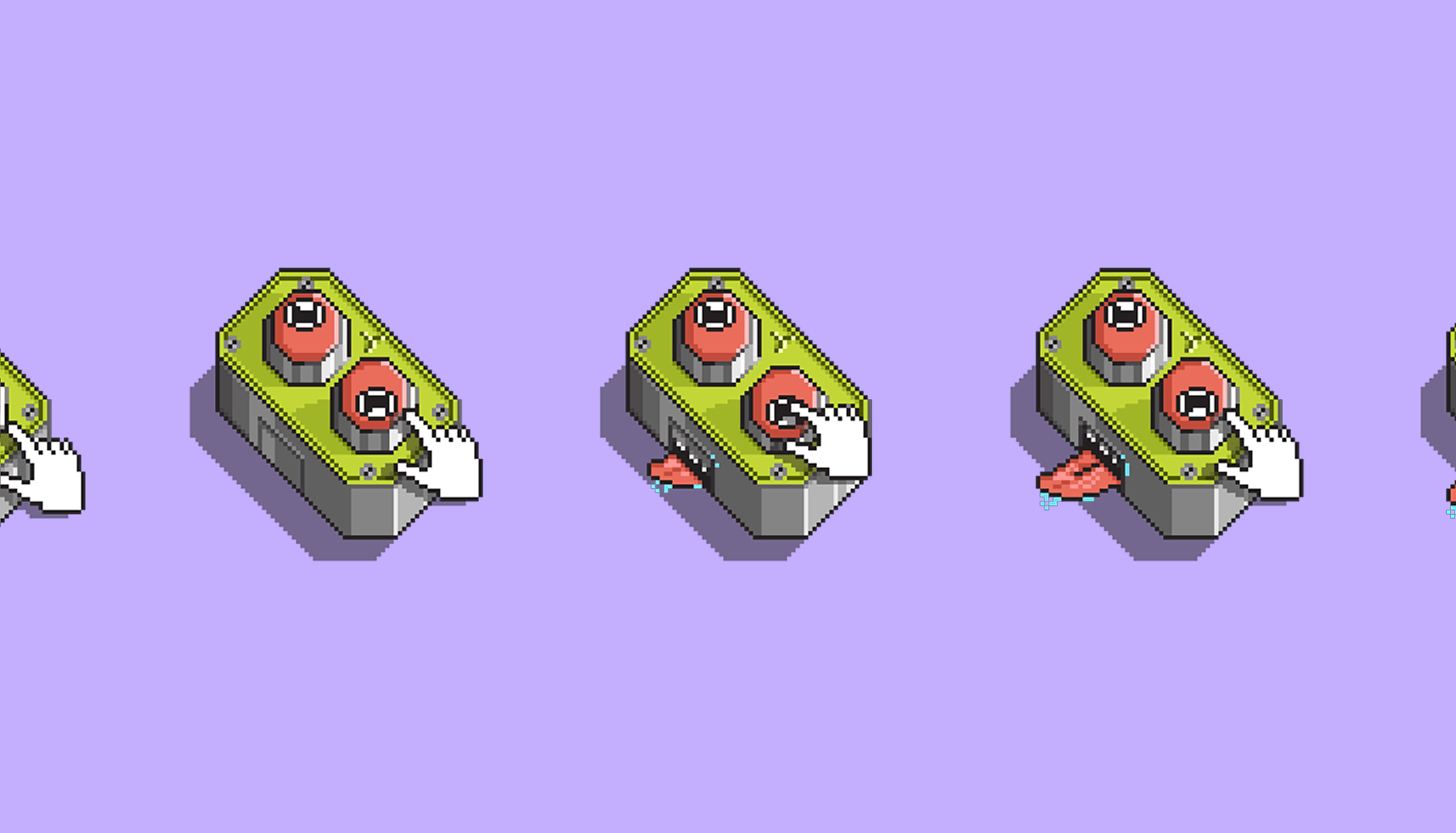
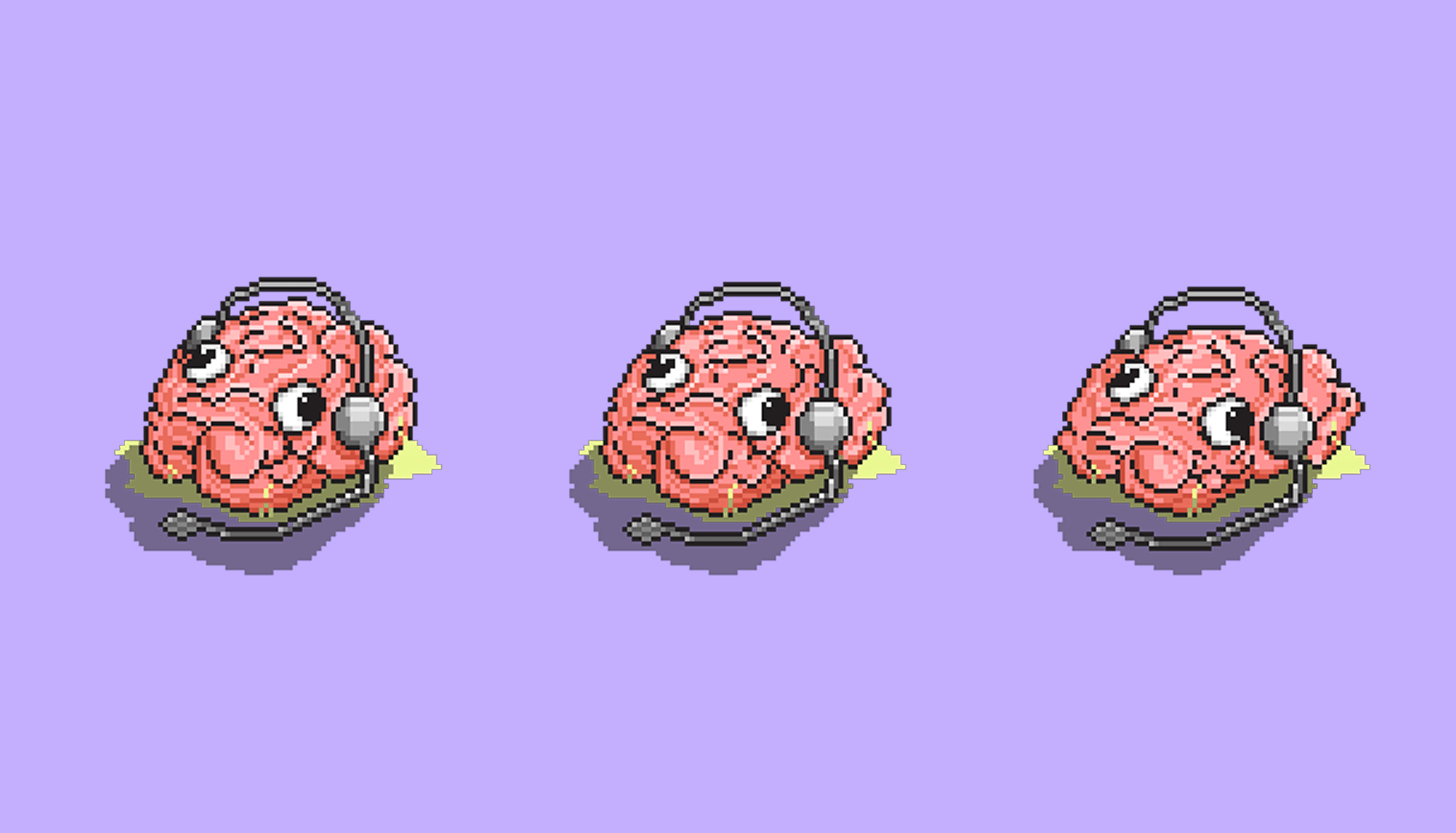
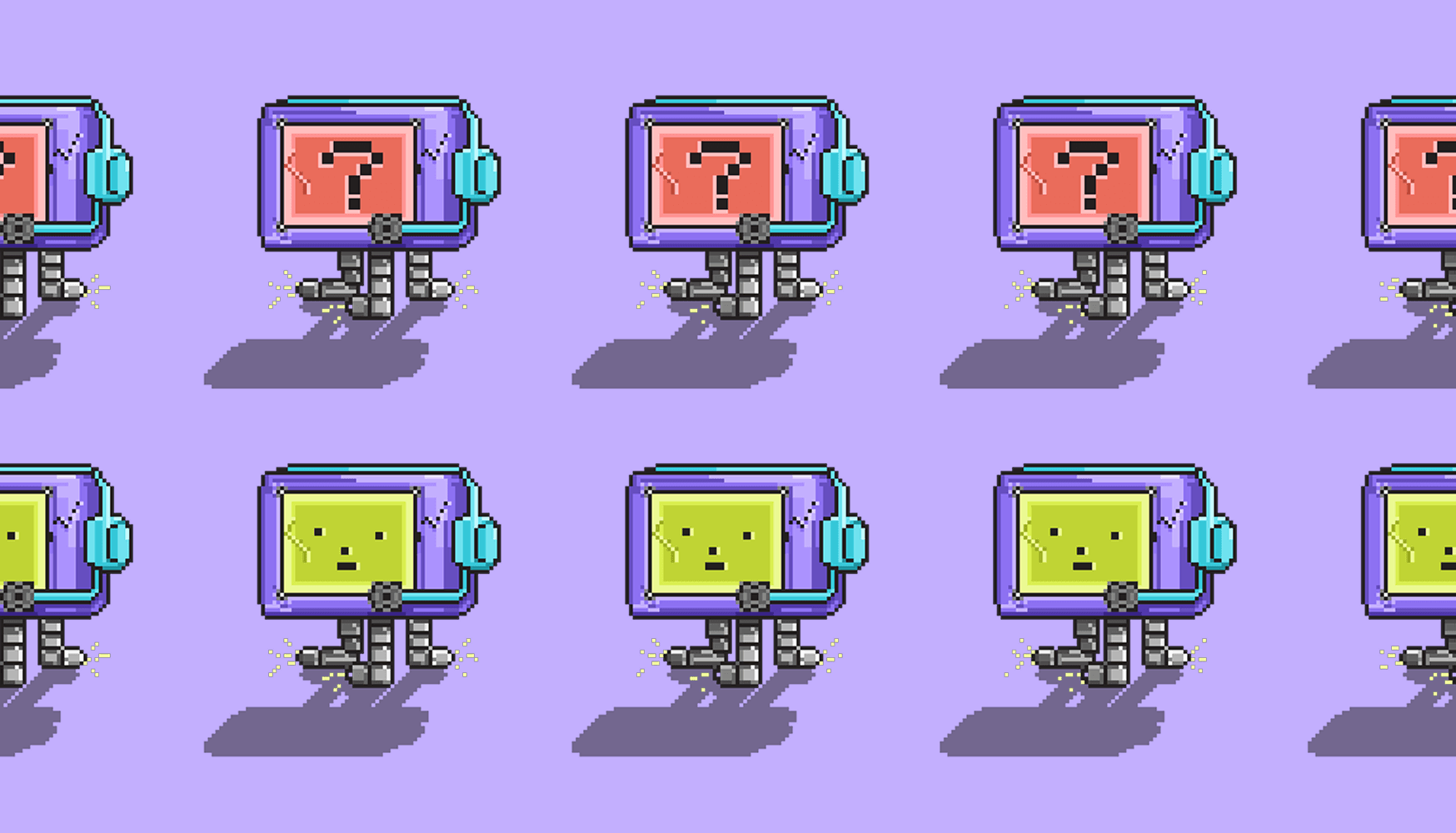
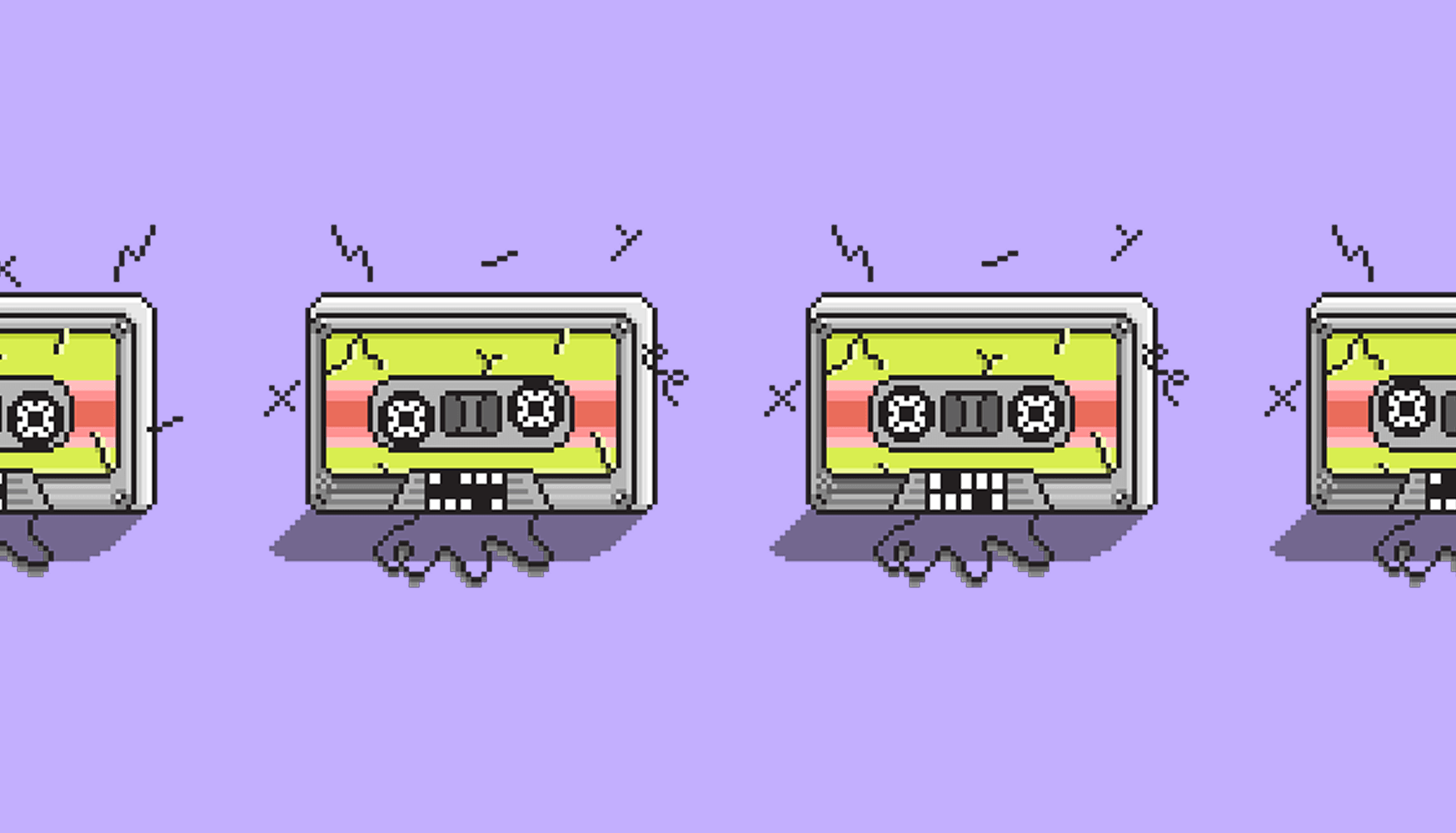
Each game character and element was meticulously designed to be both visually striking and technically efficient. Glenn designed the entire maze and character set in Figma—tile by tile—before exporting texture atlases with TexturePacker.
We developed a custom sprite animation system that delivers fluid movement while minimizing memory usage and loading times - critical for a game that needs to launch instantly when someone's placed on hold.
To handle the modular tile and sprite system, we built flexible placement tools that allowed seamless integration of assets into the game world, ensuring performance optimization without sacrificing visual fidelity.
01.
reset — 7 frames

02.
Hold music hell - 8 frames
03.
Hold music hell - 8 frames
04.
Hold music hell - 8 frames
05.
Hold music hell - 8 frames
focus ui → loading and intro / popups windows / endgame screen
user experience
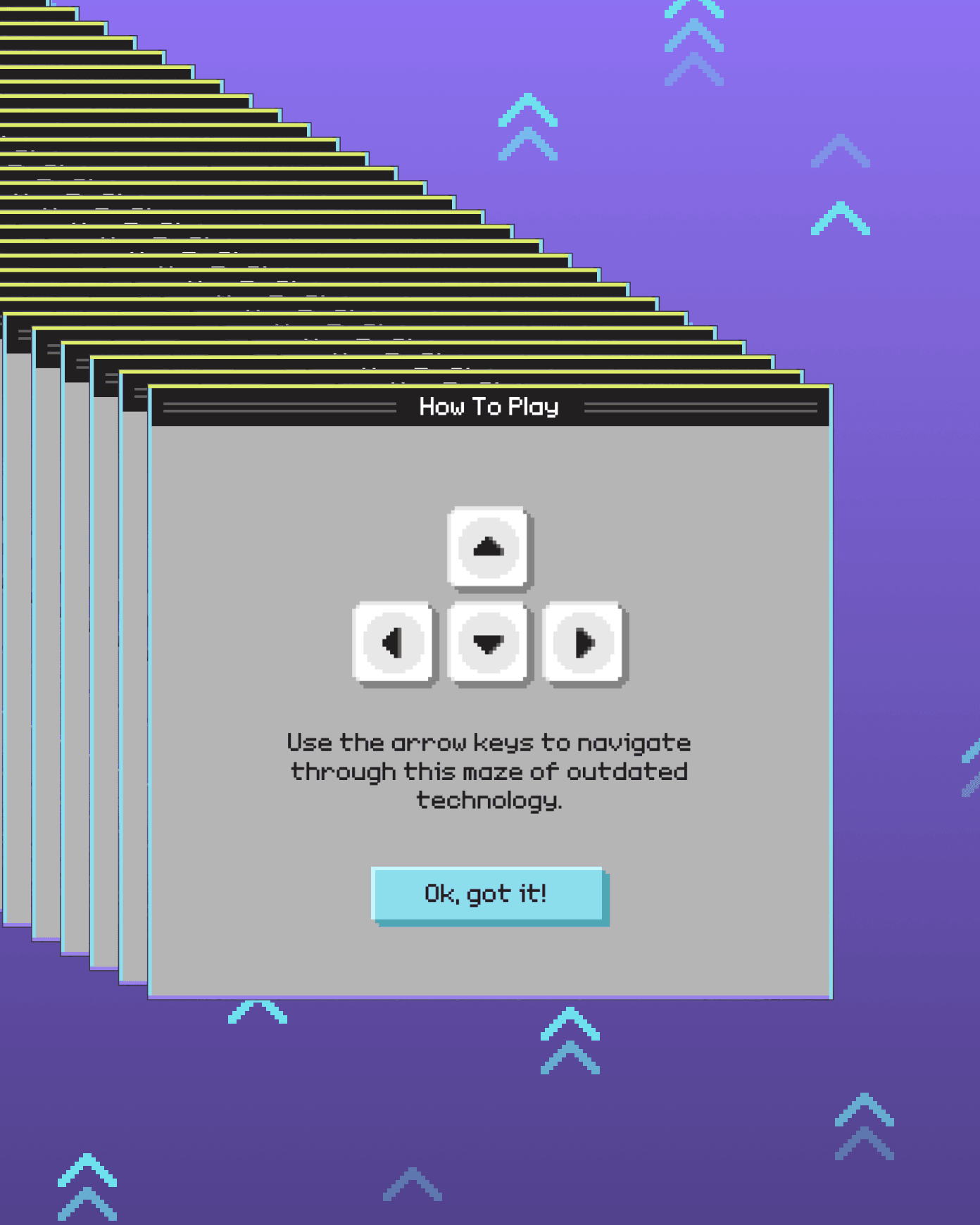
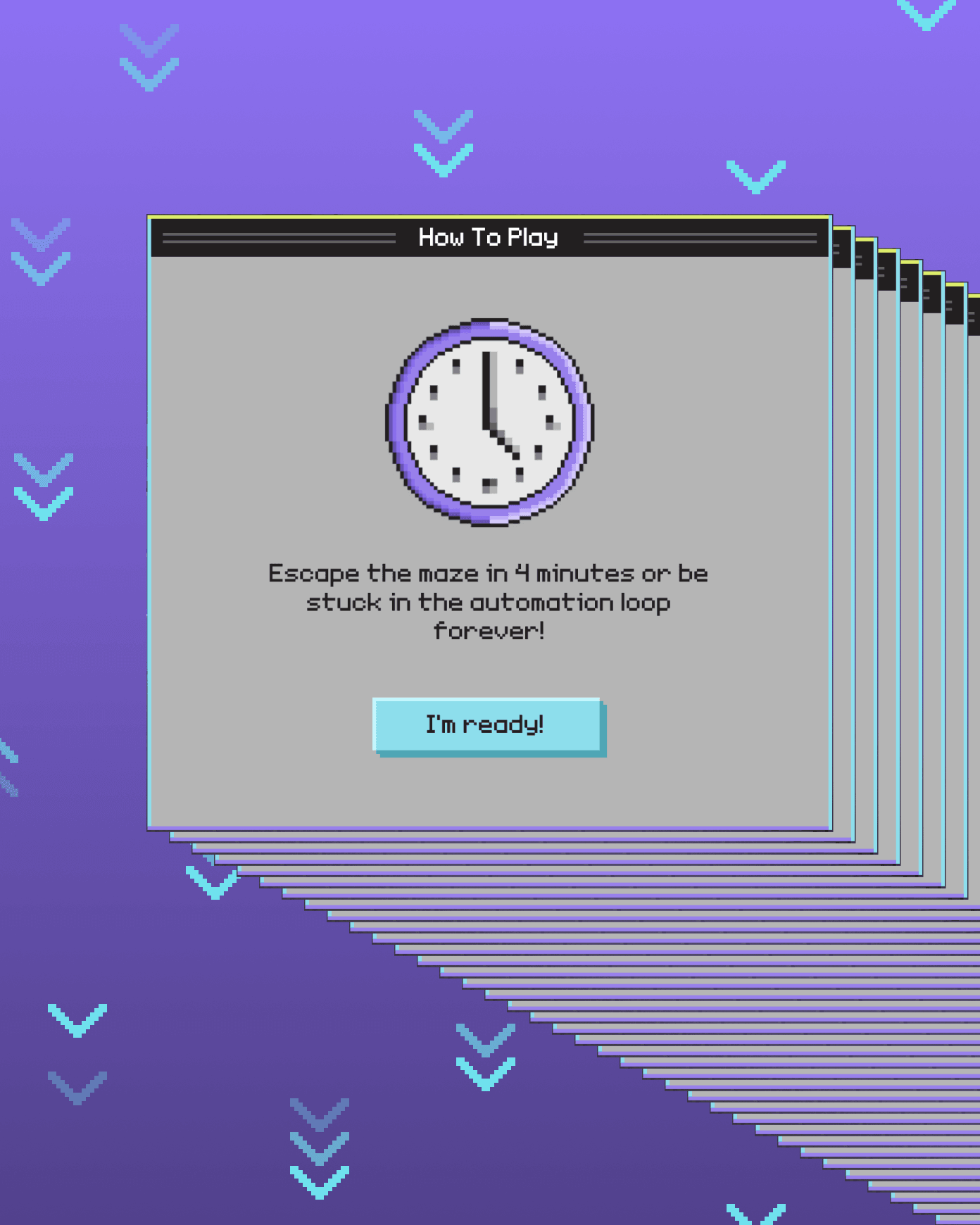
The interface design needed to accomplish several challenging goals simultaneously: be instantly intuitive, visually consistent with PolyAI's brand, and provide clear feedback without overwhelming the player.
Theatre.js played a key role in our creative workflow, giving Glenn real-time control to fine-tune visual effects like vignette and glitch distortions. We used Howler.js to weave in dynamic sound design, adding depth and immersion that brings the maze—and its many surprises—to life.
the brief vs. what we shipped
what they asked for
A browser-based game to keep users entertained during customer service hold times.
what we delivered
A full 2D pixel art maze with multiple minigames, custom sprite generation, and an experience engaging enough that users forgot they were waiting.
behind the pixels
credits
Client: PolyAI
Pixel Art Design:
Glenn CatteeuwDevelopment: darkroom.engineering
Collaboration:
Studio Freighttechnologies
front-end: next.js
game engine: Custom-built with Three.js
server architecture: vercel
tools
three.js / theatre.js / howler.js / gsap
figma / texturepacker
Integrations / Tools
Custom game engine = pixel-perfect navigation and responsive feedback.
Modular tile system = seamless integration of Glenn's meticulously designed assets.
Theatre.js implementation = real-time control for fine-tuning visual effects.
Custom shaders = enhanced vignette and glitch distortions for visual impact.
Howler.js integration = dynamic audio that brings the maze adventure to life.